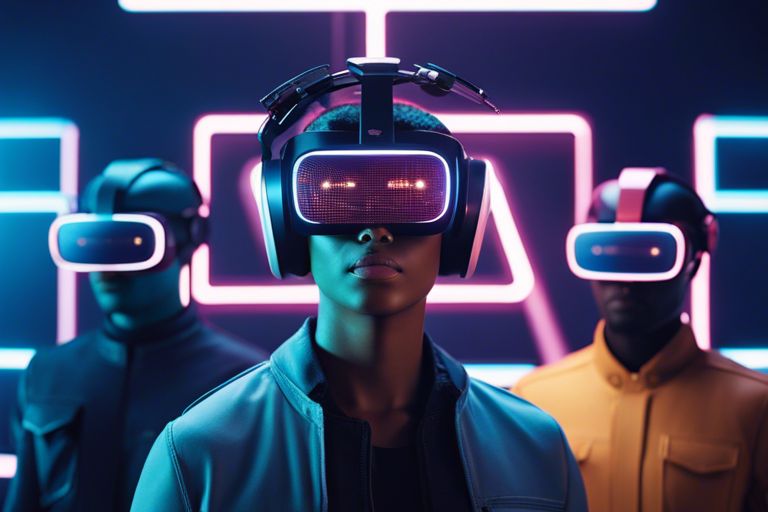

It’s fascinating to witness the rapid evolution of demographic cohorts in the digital age. Gen Z has already made a significant impact with their tech-savvy ways, but what lies ahead with Generation VR promises even more revolutionary changes. As virtual reality becomes increasingly integrated into daily life, understanding how these shifts affect consumer behavior, communication dynamics, and cultural norms is crucial for businesses and society as a whole. Let’s investigate into how these demographic cohorts are reshaping the world as we know it.

Defining Generation Z
Even as society continues to evolve, the concept of generations remains a fascinating aspect of demographic studies. Generation Z, often referred to as Gen Z, is the cohort born between the mid-1990s and the mid-2000s, following the millennials. This generation has been shaped by various global events, technological advancements, and social shifts, leading to unique characteristics that set them apart from their predecessors.
The Unique Characteristics of Gen Z
For Generation Z, diversity and inclusivity are key values that influence their worldview. Growing up in a digital age where information is readily accessible, Gen Z is known for their tech-savvy nature and ability to navigate the online world with ease. This generation is often described as entrepreneurial and innovative, with a strong emphasis on individuality and self-expression.
The Role of Technology in Shaping Gen Z
For Generation Z, technology is not just a tool but an integral part of their identities. From social media platforms to mobile apps, technology has shaped how Gen Z communicates, learns, and interacts with the world around them. The digital native generation, they are quick to adopt new technologies and adapt to changing digital landscapes, influencing not only their personal lives but also societal norms and cultural trends.
Shaping their attitudes and behaviors, technology has enabled Gen Z to be more globally aware and socially conscious. With access to a wealth of information at their fingertips, they are more empowered to advocate for causes they believe in and drive positive change in their communities and beyond.
The Rise of Generation VR
Obviously, as technology continues to advance at a rapid pace, the emergence of Generation VR is inevitable. This cohort, born into a world where virtual reality (VR) is not just a concept but a daily reality, is set to revolutionize the way we interact with digital spaces and each other.
What is Generation VR?
The Generation VR cohort consists of individuals who have grown up in a digital landscape where VR technology is pervasive. These individuals are accustomed to immersive experiences, where the boundaries between the physical and virtual worlds are becoming increasingly blurred. VR headsets, haptic feedback devices, and realistic simulations are all part of their everyday existence.
To truly understand Generation VR, we must recognize that this demographic cohort is not just a passive consumer of VR content. They are actively engaged in creating their own virtual worlds, whether through social platforms, gaming environments, or professional simulations. The line between creator and consumer is quickly fading, as individuals in Generation VR harness the power of this technology to shape their own experiences.
The Integration of Virtual Reality into Daily Life
With the integration of VR into daily life, we are witnessing a transformation in how people work, socialize, and entertain themselves. From virtual meetings and conferences to virtual travel experiences and virtual reality concerts, the possibilities are endless. This technology is reshaping industries such as education, healthcare, and entertainment, offering new ways to learn, communicate, and connect with others.
Inter-Generational Dynamics and Digital Adaptation
Differences Between Gen Z and Previous Generations
For decades, each new generation has brought its own set of characteristics and behaviors shaped by the times they grew up in. Gen Z is no exception. Unlike previous generations, Gen Z has been immersed in technology from a young age, making them digital natives. This proficiency with digital tools and platforms has influenced how they communicate, learn, and interact with the world around them.
With the rise of social media and instant communication, Gen Z is known for their preference for authenticity and transparency from brands. They seek personalized experiences and are quick to dismiss anything that feels disingenuous. This shift in consumer behavior has forced businesses to rethink their marketing strategies and adapt to a generation that values connection and community over traditional advertising.
How Older Generations Are Adapting to Digital Innovations
To bridge the gap between themselves and the younger generations, older cohorts such as Baby Boomers and Gen X are increasingly embracing digital innovations. Many have embraced social media platforms to stay connected with family and friends, as well as to keep up with news and trends. E-commerce has also seen a surge in older consumers, as they become more comfortable with online shopping and digital payment methods.
To navigate the digital landscape, older generations are enrolling in technology classes and seeking out resources to improve their digital literacy. This proactive approach is vital in a world that is becoming increasingly reliant on technology for day-to-day activities. Between the push to adapt and the desire to stay connected with younger family members, older generations are slowly but surely integrating digital tools into their lives.
The Future of Generational Trends
To understand the future of generational trends, we must look at how demographic cohorts are likely to evolve in the digital age. As technology advances and society changes, new generations will emerge with unique characteristics and preferences that shape the way we interact with the world.
Predicting the Next Demographic Cohort
Predicting the next demographic cohort is a challenging task, as the speed of technological innovation makes it difficult to anticipate how future generations will adapt and respond. However, some trends suggest that the next cohort, often referred to as Generation Alpha, will be even more connected to technology from a young age. Growing up in a world where virtual reality, artificial intelligence, and automation are commonplace, Generation Alpha is likely to value digital fluency, creativity, and adaptability.
As Generation Alpha comes of age, we can expect to see shifts in consumer behavior, education systems, and workplace dynamics that reflect their tech-savvy and forward-thinking mindset. This cohort will bring new perspectives on communication, entertainment, and social interactions as they navigate a world where the line between physical and digital realities continues to blur.
The Continuous Evolution of Technology and Society
Demographic cohorts will continue to evolve in response to advancements in technology and changes in society. Each generation builds upon the innovations and cultural influences of those before them, creating a dynamic cycle of progress and adaptation. The interactions between technology and society shape the values, behaviors, and expectations of each demographic cohort, influencing everything from consumer trends to political views.
Society plays a pivotal role in shaping the trajectory of generational trends. The way we communicate, work, and live is constantly being redefined by the interplay between technology and societal norms. As we look towards the future, understanding how these factors influence the development of new generations is crucial for anticipating and preparing for the changes that lie ahead.

Summing up
Upon reflecting on the evolution of demographic cohorts in the digital age, it is evident that Gen Z and the rise of virtual reality are shaping the future of how we interact with technology and each other. As Generation VR begins to emerge, we are witnessing a significant shift in how individuals from different age groups engage with digital platforms and content. Understanding these evolving demographics is crucial for businesses and marketers to stay relevant and effectively communicate with their target audiences in this ever-changing landscape. By recognizing and adapting to these changes, companies can better position themselves to thrive in the digital age.